Effective Therapy Iowa
When searching for a reputable Iowa psychologist, you'll discover caring, evidence-based care customized for your needs. A skilled psychologist supports you navigate stress, anxiety, and life transitions using proven methods like therapeutic dialogue and mindfulness. You'll work together to establish achievable objectives, develop coping skills, and foster resilience in a safe, nonjudgmental setting. Taking the first step shows real strength-and as you progress, you'll find how specialized care can enhance your mental wellness path.
Main Insights
- Verify that the psychological service provider is properly credentialed in Iowa and possesses expertise aligned with your individual mental health concerns.
- Choose a mental health professional who displays understanding and creates a welcoming, supportive environment for open dialogue.
- Review suitability by examining treatment methods, expertise, and cultural sensitivity to make certain your needs and preferences are honored.
- Read through reviews or arrange a discovery call to evaluate professionalism and fit before beginning ongoing sessions.
- Prioritize fostering lasting interaction and creating a robust therapeutic alliance to promote lasting mental health and self growth.
Understanding the Purpose of a Psychologist
What exactly does a psychologist do in Iowa, and how can they support your mental well-being? These mental health professionals analyze your cognitive patterns, emotional responses, and behavioral tendencies to help you gain self-awareness. Through scientifically-validated approaches, they assist you in strengthening your capacity to handle stress and difficult situations. Psychologists in Iowa collaborate with you to set personalized goals, develop coping strategies, and foster growth. Using research-based methods, they customize their approach, combining talk therapy, cognitive-behavioral strategies, and mindfulness training. Their support goes far beyond passive listening, as they actively guide you toward transformative life changes. Combining professional expertise with genuine empathy, they create a safe space for improving your mental health and emotional wellness.
Key Reasons for Seeking Psychological Help
Many individuals reach out to a psychologist when you're dealing with stress, anxiety, or depression. People typically opt to pursue counseling during important life events, like experiencing a loss or beginning a new job. Studies demonstrate that therapeutic support can help you develop effective coping strategies and enhance your mental health.
Managing Anxiety and Stress
It comes as no surprise that stress and anxiety are now among the primary motivations individuals seek psychological support nowadays. In today's rushed lifestyle, it can be difficult to manage overwhelming thoughts or constant worry. Working with a qualified therapist, you will discover proven techniques such as mindfulness techniques and relaxation exercises. These methods help you stay focused on the moment, ease bodily stress, and break patterns of worried thoughts. Awareness exercises, like mindful breathing and physical observation, enable you to watch your thoughts objectively. Stress-relief practices, like progressive muscle relaxation or guided imagery, can reduce discomfort and promote resilience. With gentle assistance, you will build techniques to handle pressure more successfully and maintain greater harmony in your day-to-day activities.
Dealing With Depression
While anxiety and stress often lead many to seek help, depression remains another leading reason individuals seek psychological support. If you're struggling with ongoing depression, loss of interest, or exhaustion, know that others share your experience-and you don't have to face it without help. Research indicates that using multiple therapy methods, such as CBT and mindfulness techniques, can be highly effective for addressing depressive symptoms. A psychologist will help you in building effective strategies, developing self-understanding, and building emotional strength. When appropriate, medication management may also be recommended to aid your healing, ensuring you receive complete support customized for you. Getting help is a brave first step toward recovering and reclaiming your well-being. Empathetic assistance is available.
Handling Life's Transitions
While life naturally involves change, managing major shifts-such as changing careers, dealing with divorce, transitioning to parenthood, or changing locations-can seem daunting and disorienting. You might find yourself struggling with worry, uncertainty, or sadness as you adjust to new circumstances. Professional counseling can assist you work through these feelings, recognize your capabilities, and build emotional resilience. Research indicates that collaborating with a qualified therapist allows you to build coping strategies tailored to your unique situation. You'll acquire knowledge that encourage personal evolution, helping you move forward with confidence and adaptability. By seeking support during life transitions, you're committing to your personal growth and ensuring you have a solid foundation to navigate future changes, both planned and unplanned.
Your First Session: What to Expect
At your first appointment, your therapist will conduct an comprehensive evaluation to better understand your history and challenges. You and your therapist will collaborate to identify your main challenges and establish specific, manageable therapy goals. This therapeutic alliance ensures your treatment is designed around your unique needs and priorities.
Initial Consultation Process
What should you expect when you visit your first session with an Iowa psychologist? In the initial assessment consultation, your psychologist will concentrate on getting to know your individual situation and current concerns. You'll talk about your past experiences, mental health journey, and any problems you're dealing with. The psychologist will likely ask about stressors, relationships, and coping methods. This insight helps them choose evidence-based therapeutic techniques customized for your needs.
We provide a secure, welcoming environment where you have the freedom to speak openly. Your privacy is rigorously protected, so you can be confident that your personal information stays secure. This first session establishes the foundation for your therapeutic relationship, helping you to be heard and understood. This is a collaborative process aimed at building a customized treatment plan.
Setting Therapy Goals
After your psychologist has collected preliminary information, you'll begin collaborating to set specific, attainable therapy goals. Throughout this discussion, you'll talk about what you want to achieve, including enhanced emotional management, managing anxiety, or building healthier relationships. Your psychologist will assist you in pinpointing priorities and separating them into manageable steps. Studies demonstrate that establishing clear objectives increases motivation and helps track your progress over time.
You may investigate mindfulness exercises as part of your goals, learning strategies to stay present and respond thoughtfully to tough emotions. Your psychologist will ensure your goals are achievable and aligned with your values. This partnership approach empowers you to take an active role in your therapy, making each session productive and directed toward significant change.
Advantages of Empathetic Counseling
What role does compassionate counseling play in your mental health journey? Evidence demonstrates that when you are genuinely understood and supported, you're more capable of build emotional resilience-an essential skill for steering life's challenges. Compassionate counseling creates a supportive, nonjudgmental atmosphere where you can process your thoughts and feelings openly. This approach helps you cultivate greater self awareness, allowing you to recognize patterns, triggers, and strengths within yourself. As your self understanding grows, you'll find it more natural to manage stress, work through difficult emotions, and make healthier options. Compassionate support also lessens feelings of isolation, showing you that you're not alone in your difficulties. Ultimately, this practice encourages lasting improvement, healing, and a stronger sense of well-being throughout your therapeutic process.
Selecting the Perfect Iowa Mental Health Professional for Yourself
As you start your hunt for a psychologist in Iowa, it's important to prioritize choosing someone who matches your individual needs and values. Start by examining therapist credentials-verify they're registered in Iowa and maintain focused training relevant to your issues, including anxiety, trauma, or relationship issues. Don't hesitate to inquire about their therapeutic methods and background; research shows that a strong therapeutic alliance is vital for successful outcomes.
Being culturally mindful is essential. You should have a psychologist who respects your background, beliefs, and identity. Seek out professionals who prioritize inclusivity and demonstrate understanding of diverse experiences. Looking at testimonials or arranging a preliminary session can help you determine whether a psychologist's style and values align with yours, strengthening your confidence and connection as you move forward.
Making Your First Move Toward Mental Well-being
After finding a psychologist in Iowa who fits your preferences, making initial contact can feel intimidating. This is a common experience-most people feel hesitant before their first appointment. Remember that asking for support is a mark of courage, not weakness. Research indicates that starting therapy sooner with mental more info health professionals leads to better outcomes. As you plan, think about using mindfulness techniques to find stability and reduce anxiety. Calming breath work or short meditations can help you keep centered. You might also find helpful self care strategies, including maintaining regular sleep, eating nourishing meals, and setting aside time for activities you enjoy. By implementing these strategies, you're creating positive momentum for your mental health journey with your chosen psychologist.
Common Questions and Answers
Are Psychologist Services in Iowa Covered by Insurance
For those interested in psychologist services in Iowa, you'll find that numerous insurance providers include coverage for mental health treatment. It's crucial to check with your specific insurance provider, since insurance coverage, copays, and in-network providers can vary. Be sure to ask your psychologist's office for guidance-they're experienced in navigating insurance questions. Taking care of your mental health is crucial, and knowing your benefits allows for mental health support easier to access and afford for you.
How Do I Verify a Psychologist's Credentials in Iowa?
To confirm a psychologist's credentials in Iowa, begin with checking the Iowa Board of Psychology's online license lookup. This tool allows you to confirm licensing status and guarantees the psychologist meets all licensing requirements. You can also ask the psychologist directly about their education, credentials, and experience. Don't hesitate to reach out to the licensing board if you have doubts. Taking these steps helps you feel assured about receiving qualified and ethical care.
Is it Possible to Switch Psychologists if I'm Not Comfortable?
Did you know about 50% of people in therapy contemplate finding different mental health professionals along the way due to therapy compatibility concerns? If you're not feeling a connection with your psychologist, you can certainly find someone new. Your comfort and trust are essential for successful treatment. Never be afraid to share your concerns or look for another professional who better aligns with your needs. Ensuring a good therapeutic fit is a wise, proven step toward reaching your mental health goals and well-being.
Are Telehealth Services Available From Iowa Psychologists?
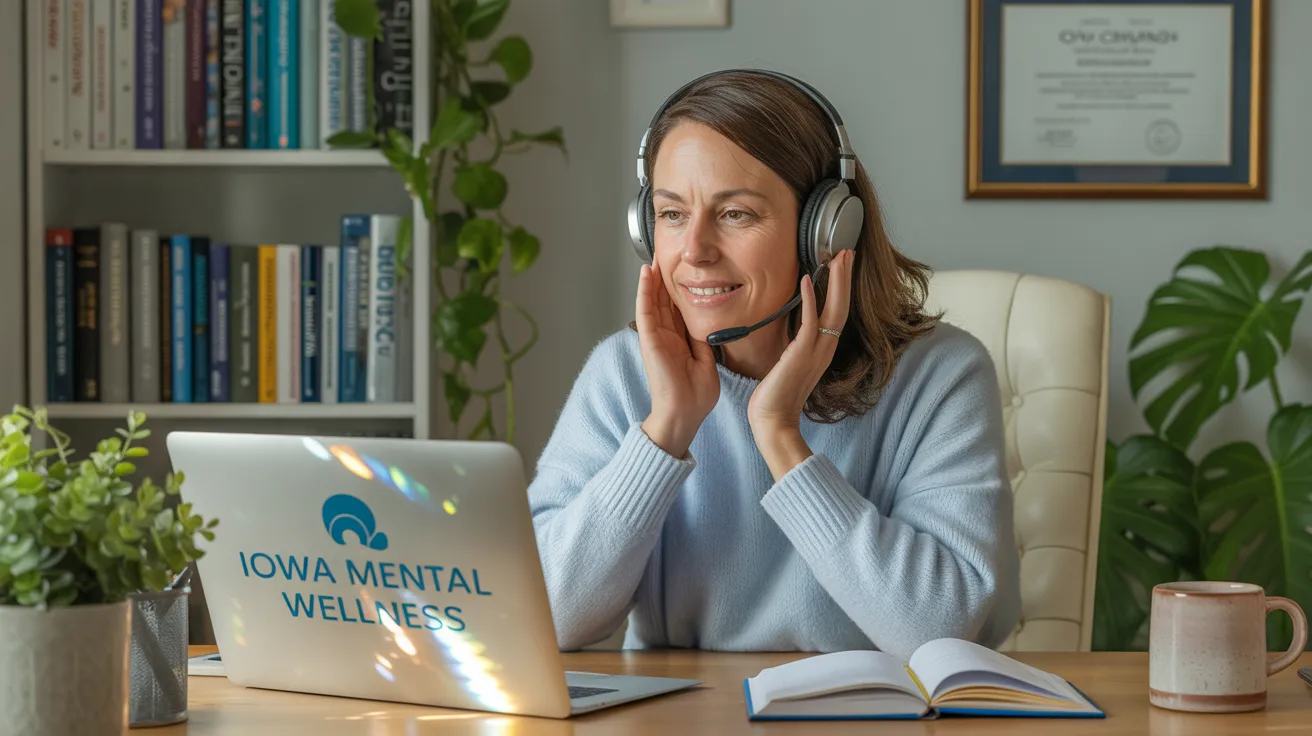
Indeed, it's possible to access virtual therapy sessions with Iowa psychologists. Virtual care options have grown, making it much easier for you to receive support from home. Most psychologists provide private online sessions, prioritizing your privacy considerations and confidentiality. Evidence shows telehealth can be just as effective as in-person therapy, so you won't need to settle for less when it comes to quality. If you're interested, check with practitioners about their telehealth capabilities and security measures.
How Quickly Can I Get an Appointment With a Psychologist?
In moments of difficulty, you don't have to wait for clear skies-appointment scheduling with a psychologist is often quicker than you'd expect. Many practices offer initial consultations within a week, with possible earlier appointments, depending on demand. It's best to reach out directly and express your needs; clinicians understand the urgency and endeavor to connect you with help promptly. You're making a valuable choice for your mental well-being.
Final Thoughts
Beginning your journey toward emotional wellness might feel intimidating, but we're here to support you. An experienced Iowa mental health professional can be your compass through difficult times, offering proven therapeutic approaches and sincere care. With the right counselor, you'll learn techniques to handle life's obstacles and develop coping skills. Reach out now-seeking help shows courage, and it marks the start of your journey to wellness.