Online Psychiatrist for Mental Health Support
Unlocking Mental Health: The Advantages of Online Psychiatric Consultations
The growth of online psychiatric consultations represents a notable shift in mental health care. Patients today have the chance to connect with licensed professionals from the comfort of their homes. This convenience can reduce the stigma often associated with seeking help. Nevertheless, the effectiveness of these consultations relies on various factors. Understanding the nuances of this evolving landscape is essential for those considering this option. How can individuals navigate these new channels for support?
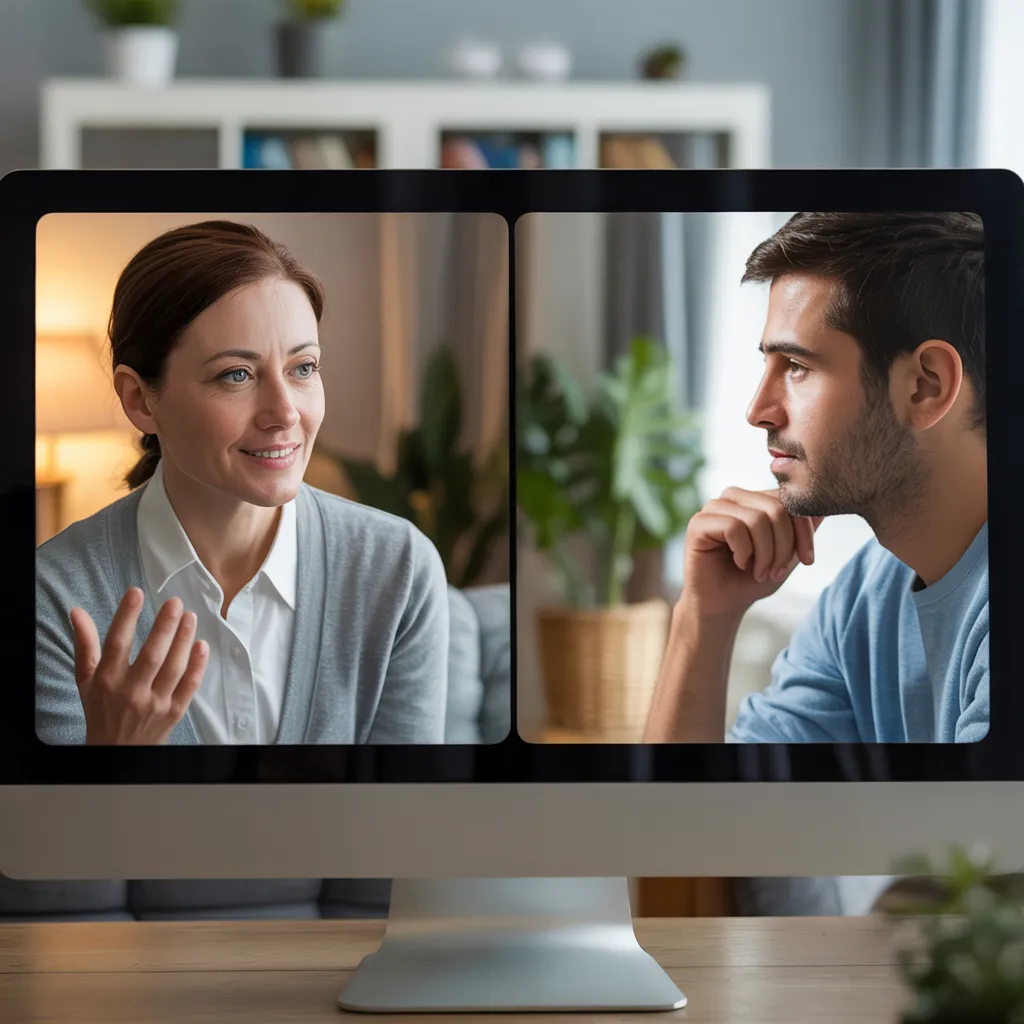
Reasons to Choose Online Psychiatric Consultations?
Why opt for online psychiatric consultations appealing? People seeking mental health support increasingly turn to online platforms for several compelling reasons. First and foremost, these consultations provide convenience, allowing patients to connect with specialists from the comfort of their own homes. This accessibility can remove barriers such as travel time and geographical restrictions, making mental health care more reachable.
In addition, online consultations can lessen the stigma often associated with seeking help. Patients might feel more comfortable discussing personal issues in a private setting, encouraging openness and honesty. Additionally, the flexibility of scheduling appointments around personal commitments ensures that individuals can make a priority of their mental health without interfering with their daily lives.
Digital psychiatric appointments can additionally offer a greater range of specialists, offering patients the ability to locate a practitioner who optimally matches their needs. All in all, the shift toward digital mental health care reflects a growing understanding of its success and practicality.
What Is the Process for Online Psychiatric Consultations?
Psychiatric consultations online generally start with the patient picking a suitable platform that provides telehealth services. After establishing an account, the patient completes a comprehensive questionnaire to provide the psychiatrist with relevant medical history and current concerns. This initial information helps the psychiatrist organize the consultation.
After the details are submitted, the patient arranges an appointment, usually picking a time that fits their convenience. During the session, which can take place via chat, phone, or video, the psychiatrist initiates a dialogue to determine the patient's mental health status, address symptoms, and explore treatment alternatives.
Upon completing the session, the psychiatrist may propose therapy, medication, or other interventions. Dialogue persists through the platform for follow-up appointments, enabling continued support and adaptations to care plans based on requirements. In summary, this process confirms that patients receive customized care from the comfort of their own homes.
Transcending Geographic Barriers to Mental Health Care
Online psychiatric consultations offer a important solution for those in remote locations who face obstacles accessing mental health care. By eliminating the need for extensive travel, these services remarkably reduce the time and resources required to seek help. This improved accessibility can result in improved mental health outcomes for those who previously struggled to find support.
Getting to Far-off Places
Despite the improvements in technology, many individuals in isolated areas still face major obstacles to securing mental health care. Spatial isolation regularly limits the accessibility of mental health professionals, requiring persons to travel great distances for in-person consultations. This absence of local resources can lead to delays in therapy, worsening mental health conditions. Online psychiatric consultations offer a crucial solution, allowing residents in rural regions to access qualified professionals without the need for considerable travel. By harnessing digital platforms, these persons can secure expedient support, thorough assessments, and customized treatment plans. This solution not only expands access to mental health care but also encourages a sense of connection, enabling those in distant areas to attend to their mental wellness effectively.
Lowering Journey Time
Distance-related barriers greatly limit access to mental health care, specifically for individuals located in remote areas. Traditional in-person consultations often involve extensive travel, leading to time lost and increased stress for those seeking help. Online psychiatric consultations successfully minimize this travel time by facilitating patients to connect with professionals from the familiarity of their own homes. This virtual access facilitates timely interventions, confirming that individuals receive the care they need without the burdens of transportation. Moreover, it permits those with mobility challenges or chronic illnesses to access mental health services more easily. By removing the need for physical travel, online consultations not only boost access but also enhance overall mental wellness by cultivating a more comfortable and convenient environment for therapy.
Accessing Help Anytime, Anywhere: The Ultimate Convenience
Remote psychiatric consultations present versatile scheduling alternatives that align with people's individual lifestyles. By removing the necessity to commute, patients can reach mental health services more conveniently, preserving both time and resources. This practicality considerably enriches the whole experience of pursuing care, helping people to better emphasize their mental health needs.
Flexible Scheduling Choices
In what ways do flexible scheduling options benefit those seeking mental health support? Flexible scheduling allows patients to choose appointment times that fit their personal and professional commitments. This accommodation lessens the strain of organizing mental health care around busy lifestyles, making it easier for individuals to put their well-being first. With availability during evenings and weekends, patients can access help without interfering with their daily schedules. Moreover, flexible scheduling supports those in crisis situations, facilitating immediate access to support when it is most essential. This accessibility cultivates a sense of autonomy over one's mental health journey, inspiring individuals to involve themselves more completely in their treatment. Ultimately, flexible scheduling options enhance accessibility and promote consistent participation in psychiatric consultations.
Decreased Travel Time
As people progressively look for mental health support, the ease of accessing help anytime and anywhere significantly enhances their experience. Online psychiatric consultations get rid of the need for travel, allowing clients to engage with mental health professionals from the convenience of their homes. This reduction in travel time not only saves valuable hours but also minimizes the stress associated with commuting. For those living in remote areas or with mobility limitations, online consultations offer a vital lifeline to essential services. In addition, the ease of accessing appointments through different devices makes certain that individuals can emphasize their mental wellness without the hurdles that traditional in-person visits often present. Ultimately, reduced travel time promotes a more accommodating and accessible mental health care environment.
Building Trust With Your Online Psychiatrist
Developing trust with an online psychiatrist is vital for optimal treatment and a constructive therapeutic experience. Building this trust begins with open communication; patients should feel at ease expressing their thoughts and concerns without fear of judgment. A regular and reliable schedule for sessions also fosters a sense of stability, allowing patients to anticipate support when needed.
Additionally, patients can improve trust by providing accurate information about their mental health history and current struggles. This transparency empowers the psychiatrist to adapt treatment appropriately. Engaging actively relevant article in the therapeutic process, such as asking questions and offering feedback, further enhances the relationship.
Lastly, patients should take time to evaluate their comfort level with the psychiatrist's therapeutic style and methods. If there are any concerns, addressing these matters early on can lead to a more productive and trusting relationship. In general, a open and cooperative approach is essential in developing trust in online psychiatric consultations.
The Significance of Privacy in Online Consultations
Privacy holds significant importance in online psychiatric consultations, as it directly shapes the patient's willingness to share sensitive information. Patients often approach these sessions with vulnerability, calling for a safe environment where they can communicate their thoughts and feelings without fear of judgment or exposure. When confidentiality is assured, individuals are more likely to disclose personal issues, enabling more effective treatment.
Additionally, the digital nature of online consultations raises concerns about data security. Patients need to trust that their data is protected from unauthorized access, breaches, or misuse. This aspect of privacy not only cultivates trust in the therapeutic relationship but also meets legal standards surrounding patient confidentiality, such as HIPAA in the United States.
Ultimately, prioritizing privacy in online psychiatric consultations enhances the therapeutic process, enabling patients to engage more fully and honestly, which can substantially improve mental health outcomes.
Suggestions for a Effective Online Psychiatric Session
To guarantee a successful online psychiatric session, individuals should prepare adequately before their appointment. This involves creating a comfortable, quiet space free from distractions, which enables an open and honest conversation. Moreover, it is recommended for individuals to have a stable internet connection and to test their audio and video settings ahead of the session begins.
Furthermore, participants should arrive equipped with notes detailing their reflections, feelings, and any certain concerns they wish to address. This can aid in streamlining the conversation and ensure that crucial topics are not missed. It is also beneficial to determine realistic goals for the session, concentrating on what can be achieved within the designated time.
Lastly, staying forthright and sincere during the session is important. Sharing personal experiences and feelings candidly can facilitate a better therapeutic process, thereby improving the outcomes and overall experience of online psychiatric consultations.

Common Questions
Does Insurance Cover Online Psychiatric Consultations?
Coverage for online psychiatric consultations through insurance is possible, but varies considerably between different providers and plans. Patients should review their individual insurance policy specifics to identify eligibility and any applicable fees for these services.
Is It Possible to Change Psychiatrists During Online Consultations?
Yes, individuals can switch psychiatrists during online consultations. This flexibility allows patients to find a professional who better meets their needs, establishing a more comfortable and beneficial therapeutic relationship necessary for mental health.
Which Technology Do I Need for Online Consultations?
To conduct online consultations, you need a reliable internet connection, a device including a computer or smartphone, and a webcam or camera for video. Headphones or speakers enhance audio quality, guaranteeing effective communication during sessions.
Is Online Consultation Appropriate for Emergency Cases?
Virtual consultations are typically not appropriate for crisis situations. In crises, immediate, in-person assistance is crucial. Online platforms can hinder timely critical care, rendering them less suitable for acute mental health situations demanding prompt care and assistance.
How Do I Get Ready for My First Online Session?
To get ready for the first online session, it's advisable to find a quiet space, ensure reliable internet connectivity, compile any relevant medical background, and create key topics or questions to discuss with the psychiatrist.